

GABA levels were even lower in those who had experienced an alcohol-induced blackout. With these measurements, Silveri and her staff hope to teenage drinking identify vulnerable brain circuitry that may suggest risk factors that could lead to the use of alcohol as well as misuse of alcohol and other substances. They also hope to identify risk factors for depression, anxiety, and other psychiatric problems that frequently develop during adolescence. However, learning and memory are considerably more compromised by alcohol in adolescents than in adults. Alcohol is the most commonly used and misused drug among young people in the United States, according to the Centers for Disease Control and Prevention (CDC).
How can parents prevent teen’s alcohol use?
They’re also more likely to experience social, academic, and legal issues. One reason teens may be less affected by alcohol sedation is due to having less GABA in their frontal lobe, which could promote binge drinking to get the desired effect from alcohol. A combination marijuana addiction of low GABA and binge drinking also sets up teens for greater risk-taking, which can lead them into dangerous and sometimes fatal situations that their still-maturing brains do not always recognize as dangerous. Low GABA levels could be one reason why adults and adolescents react to alcohol effects in such different ways.
- Drugs and alcohol have a powerful neurologic influence, especially in the developing brain.
- Teenagers in Arizona are 8.61% more likely to have used drugs in the last month than the average American teen.
- In the United States, a “standard drink” is defined as any beverage containing 0.6 fl oz or 14 grams of pure alcohol.
- The National Institute on Alcohol Abuse and Alcoholism notes that more than 90% of all alcoholic drinks consumed by underaged drinkers are consumed through binge drinking.
Ask, Listen, Learn: Kids and Alcohol Don’t Mix
Below are some things that parents can do to help the prevention of underage drinking. In 1988, the National Minimum Drinking Age Act of 1984 was passed with hopes of decreasing the rate of driving while under the influence (DUI) related accidents and deaths among young people. The act prohibits anyone younger than 21 from buying or having alcoholic beverages in their possession and is still in effect today. For this reason, it is important for parents or caregivers, schools, and communities to know the risks and address education about alcohol among young people. Similarly, a 2018 study highlights higher levels of alcohol consumption among Indigenous school students, alongside a greater sense of the need to stop in comparison to other groups. During adolescence, the parts of the brain that relate to stress and reward are very active.
- During adolescence, the parts of the brain that relate to stress and reward are very active.
- Some of these are specific to individual families, while others affect whole social groups.
- Even more disturbing were reports from students given to Cocoa Beach police that the open house parties were a regular occurence at the educator’s home, taking place roughly twice a month.
- The combination of alcohol and drugs (including cannabis) can also lead to increased risk taking.
- However, medical professionals have not approved any of these medications to treat alcoholism in people less than 18 years of age.
Safer, healthier people and communities
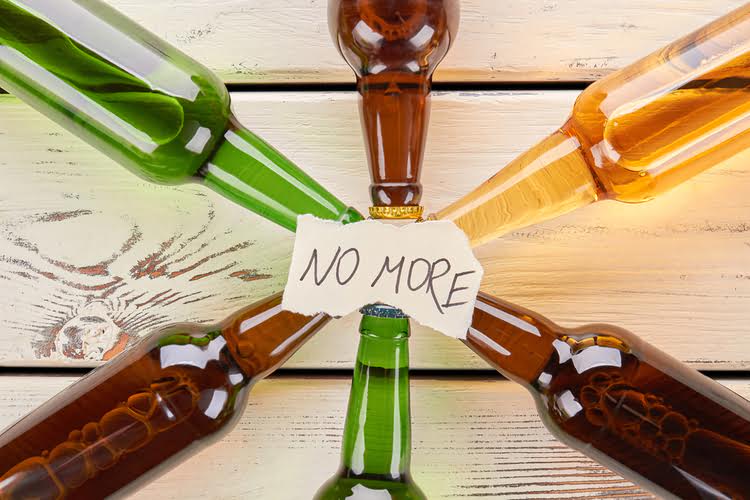
In very small amounts, alcohol can help a person feel more relaxed or less anxious. More alcohol causes greater changes in the brain, resulting in intoxication. People who have overused alcohol may stagger, lose their coordination, and slur their speech. Depending on the person, intoxication can make someone very friendly and talkative or very aggressive and angry. Reaction times are slowed dramatically — which is why people are told not to drink and drive. People who are intoxicated may think they’re moving properly when they’re not.
Let the young person know that if they, or someone else, is drunk or high, they can’t give consent. People will often experience a hangover after a binge drinking session. The average age of young people trying alcohol for the first time has also risen, from 14.7 https://nusahubindonesia.com/addiction-healthy-people-2030-odphp-health-gov-2/ years in 2001 to 16.2 years in 2019.